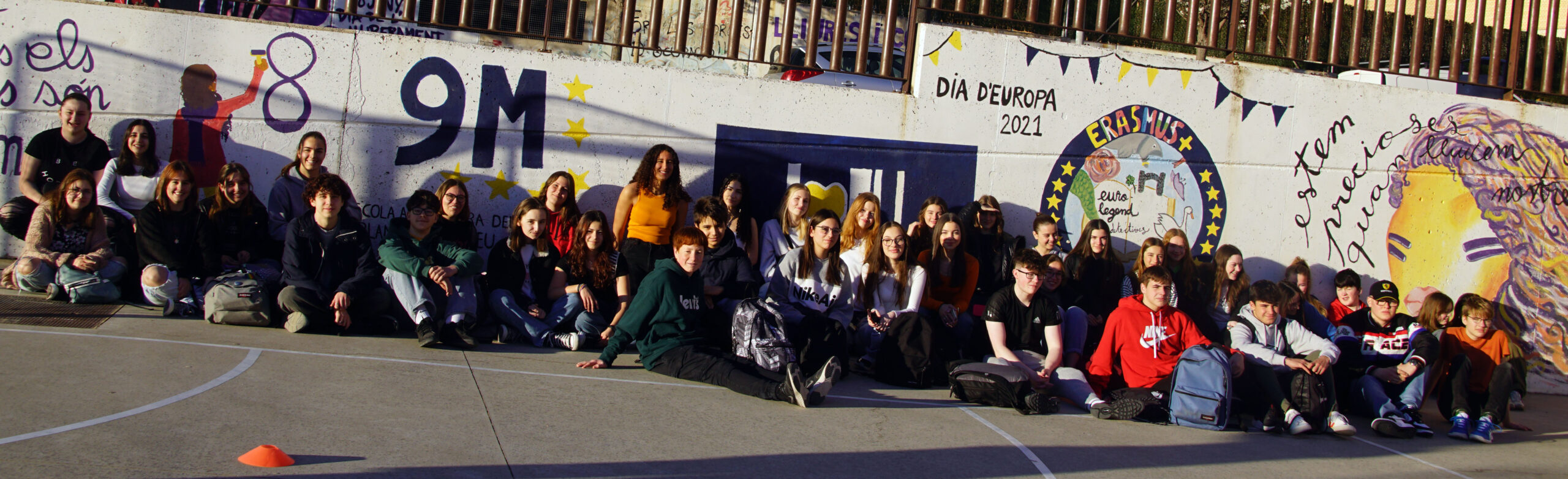
The first thing we did on the first day of Erasmus students’ stay in Sant Sadurní was taking a group photograph in the school playground, in front of the Eramus+ logo of our project.
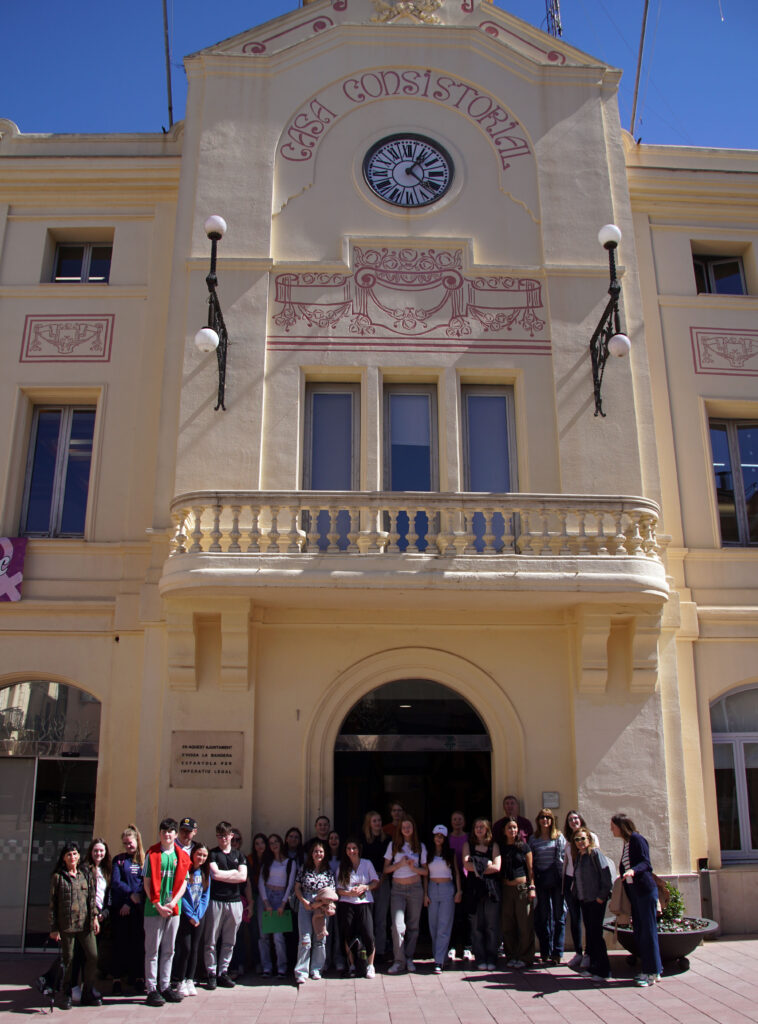
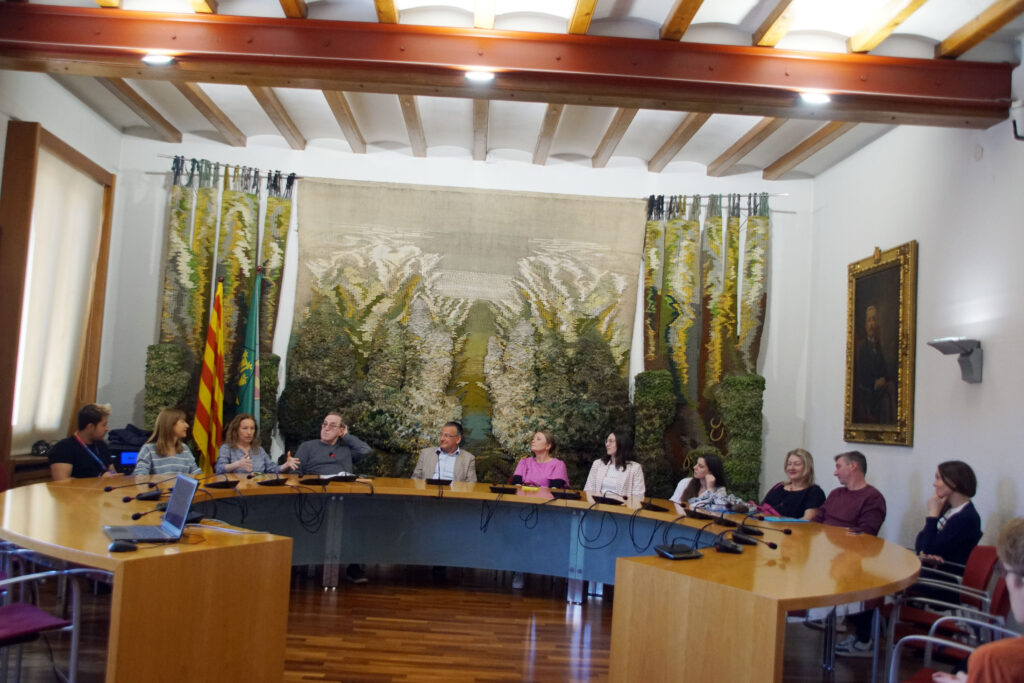
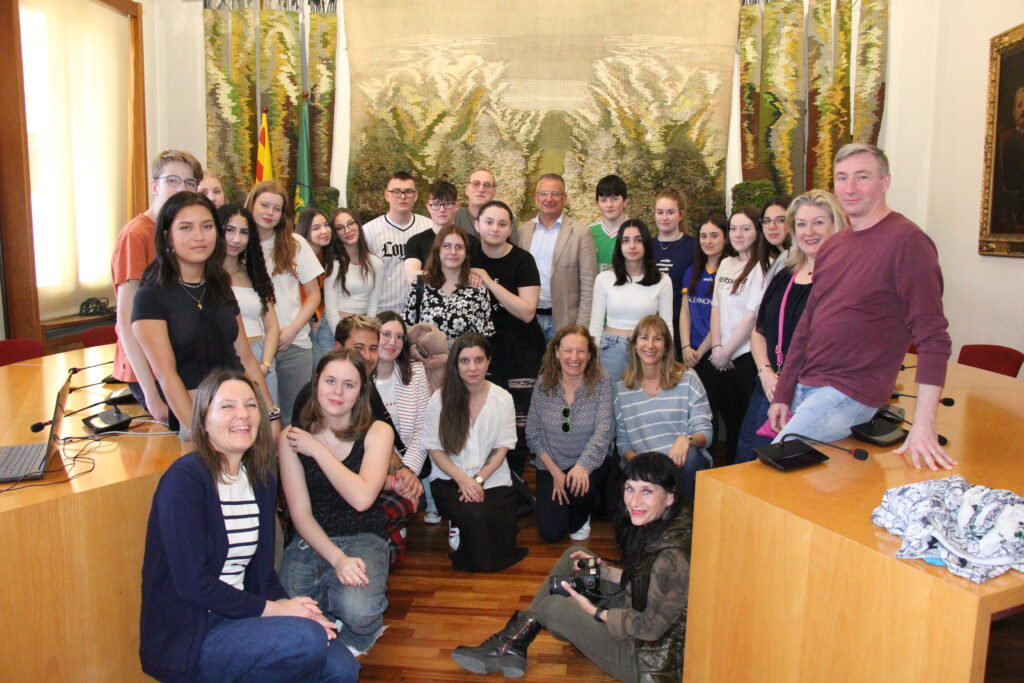
After doing some project work, Erasmus students and teachers were received by the Mayor Ton Amat and the Education Councillor Toni Romeu in the town hall of Sant Sadurní.
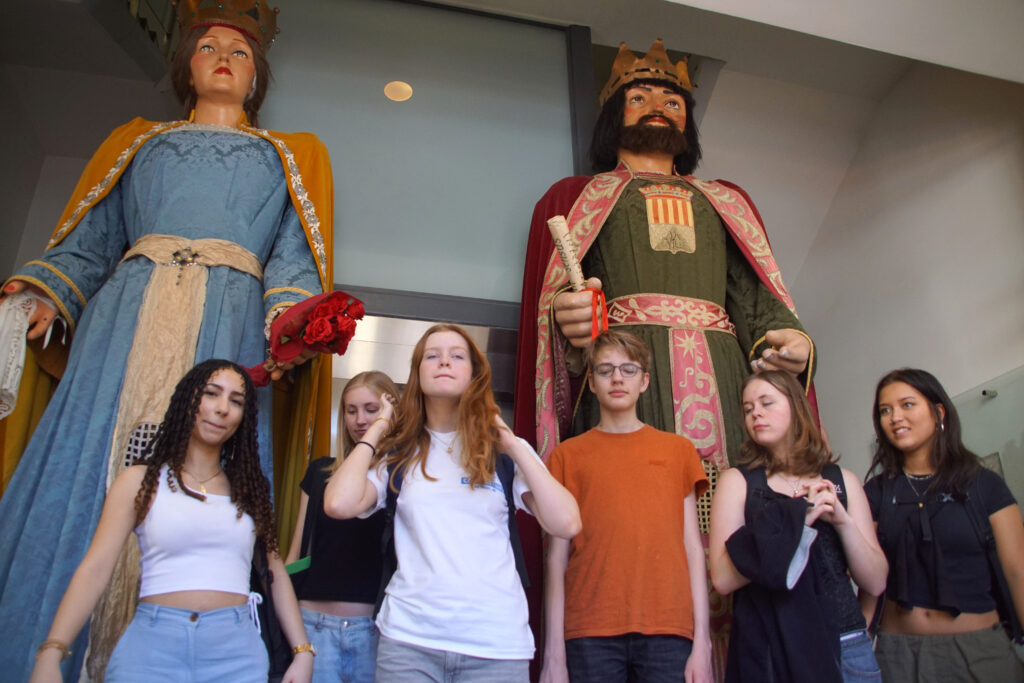
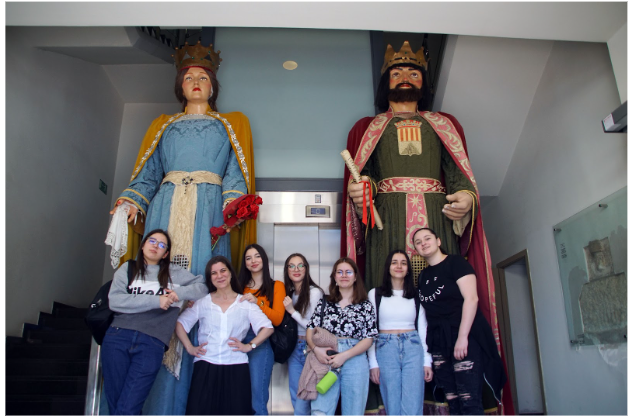
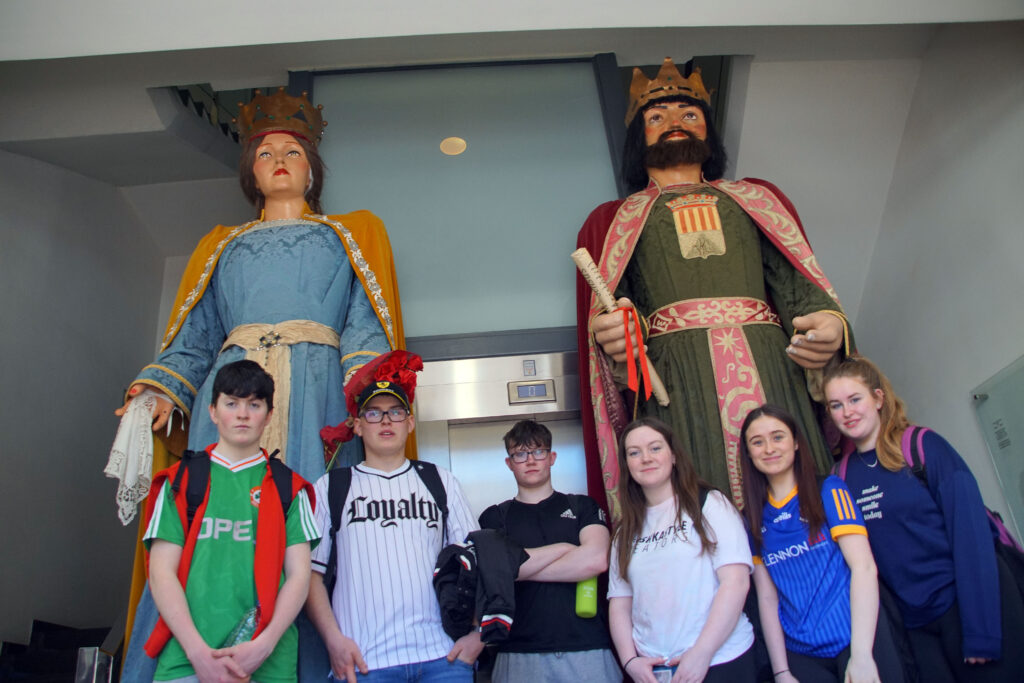
And, of course, they all met the giants of Sant Sadurní.
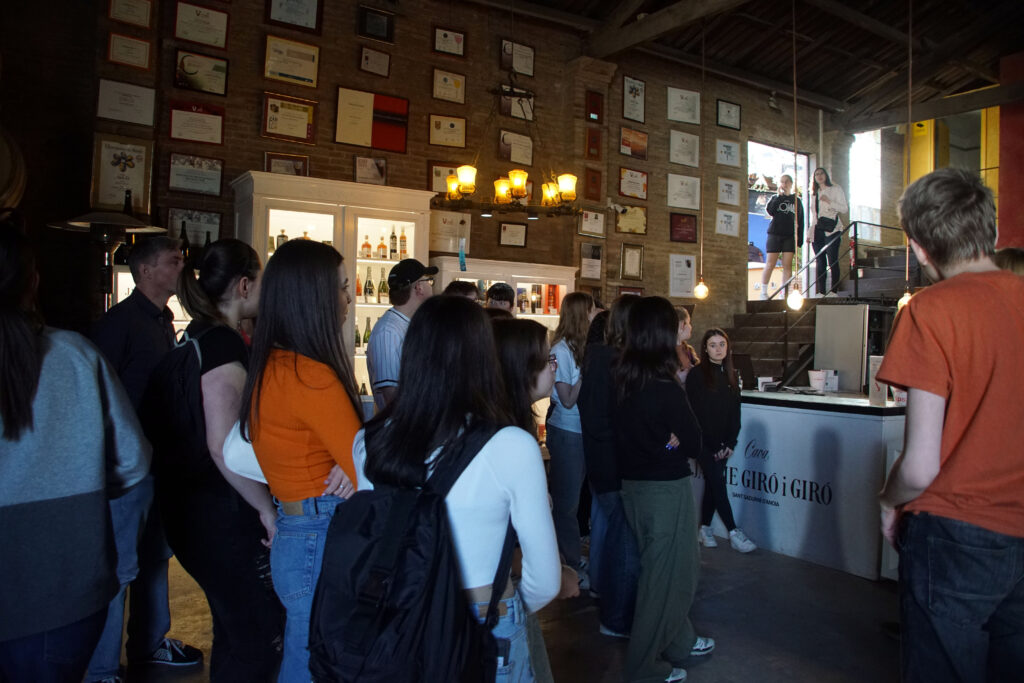
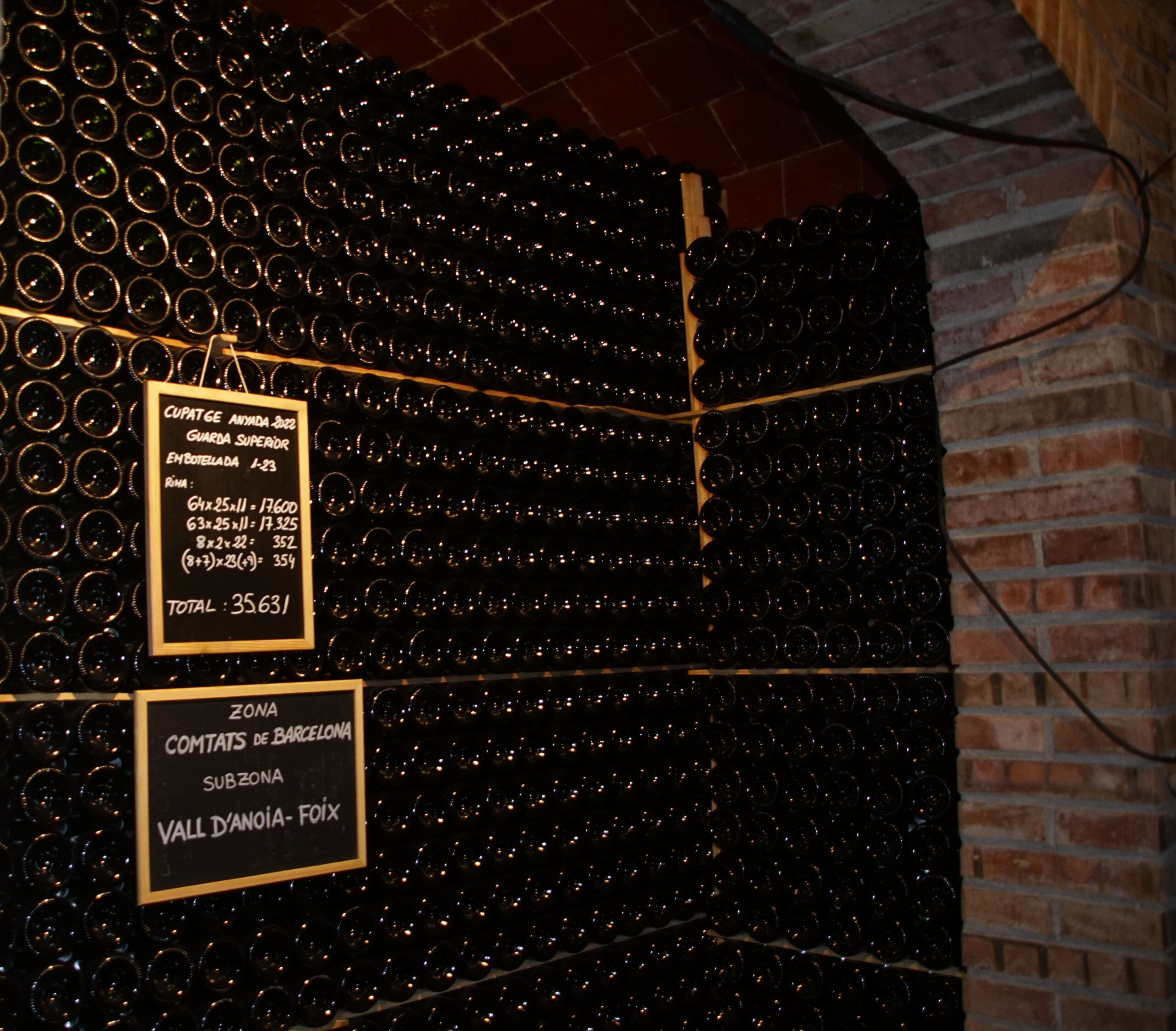
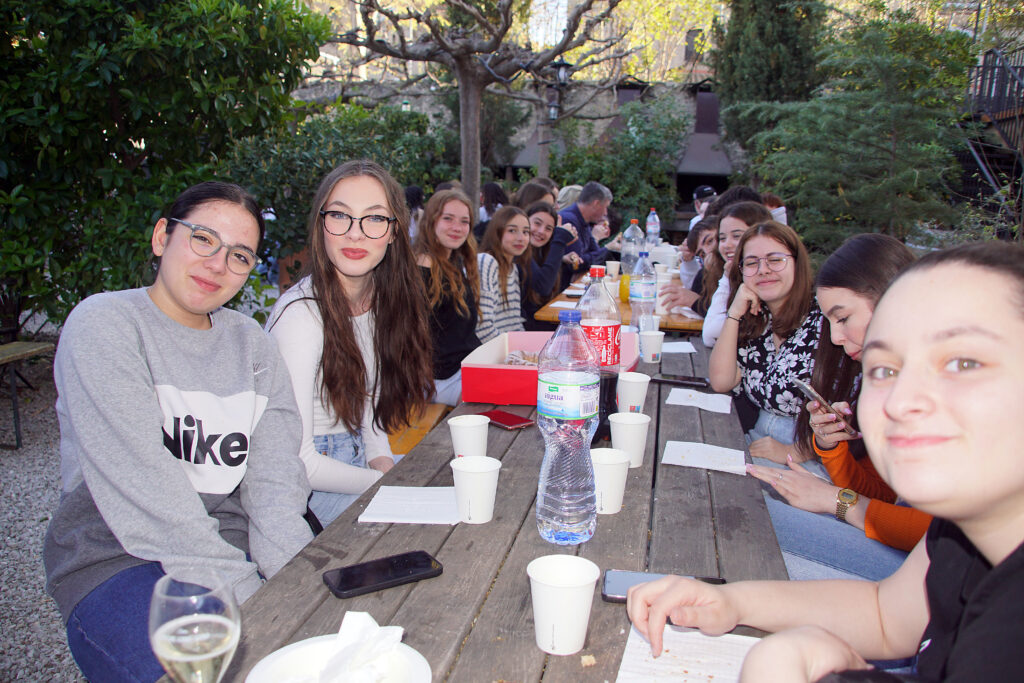
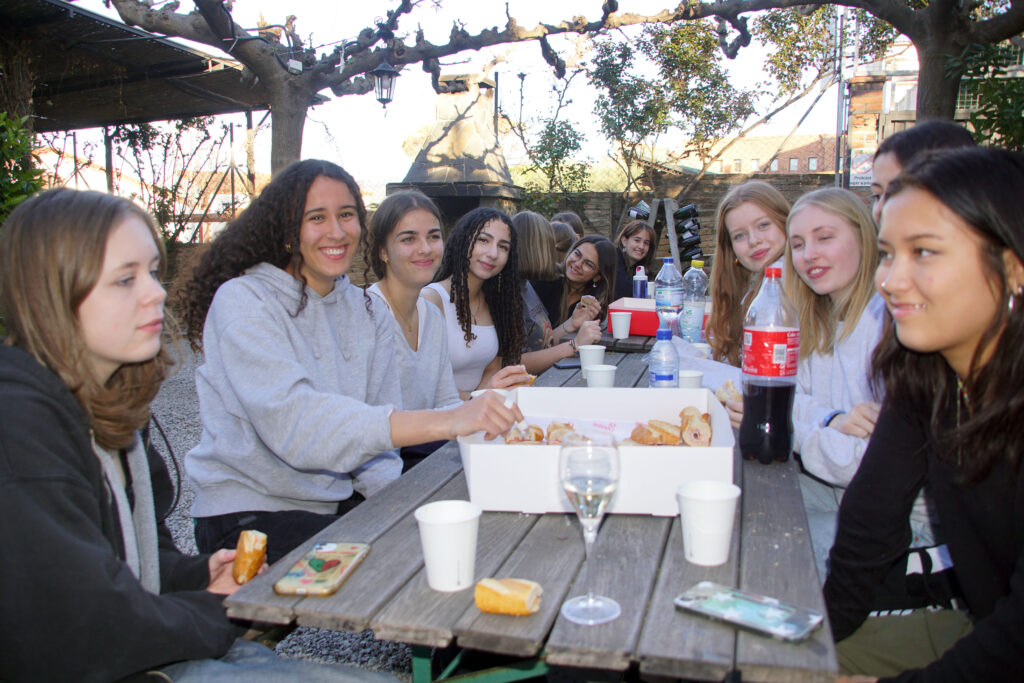
Sant Sadurní is known as the capital of cava, so a visit to a cellar in Sant Sadurní is a must. Sant Sadurní is full of cellars which produce sparkling wine (called Cava). This is the main economic activity of the town. Erasmus students and their host families in Spain shared a nice evening picnic in the garden of the cellar just after the visit in which the proces of producing cava was explained.
Visiting Montserrat
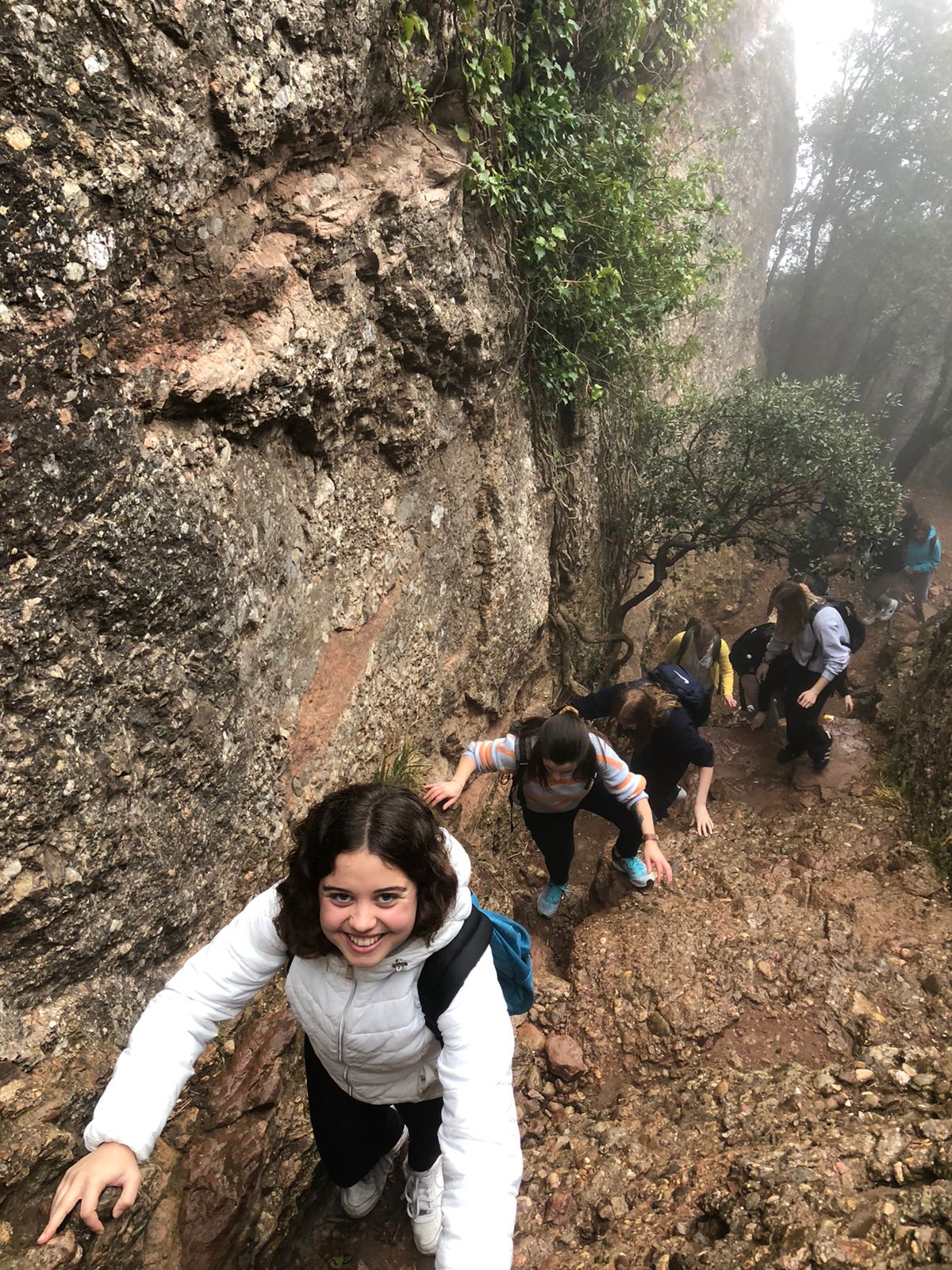
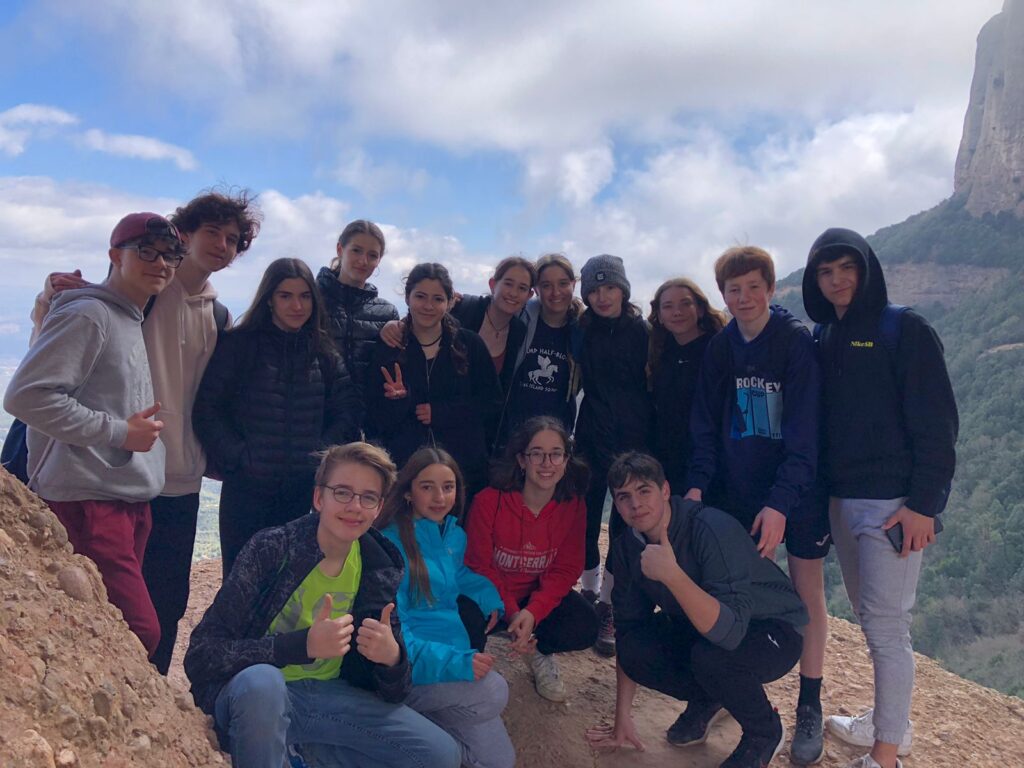
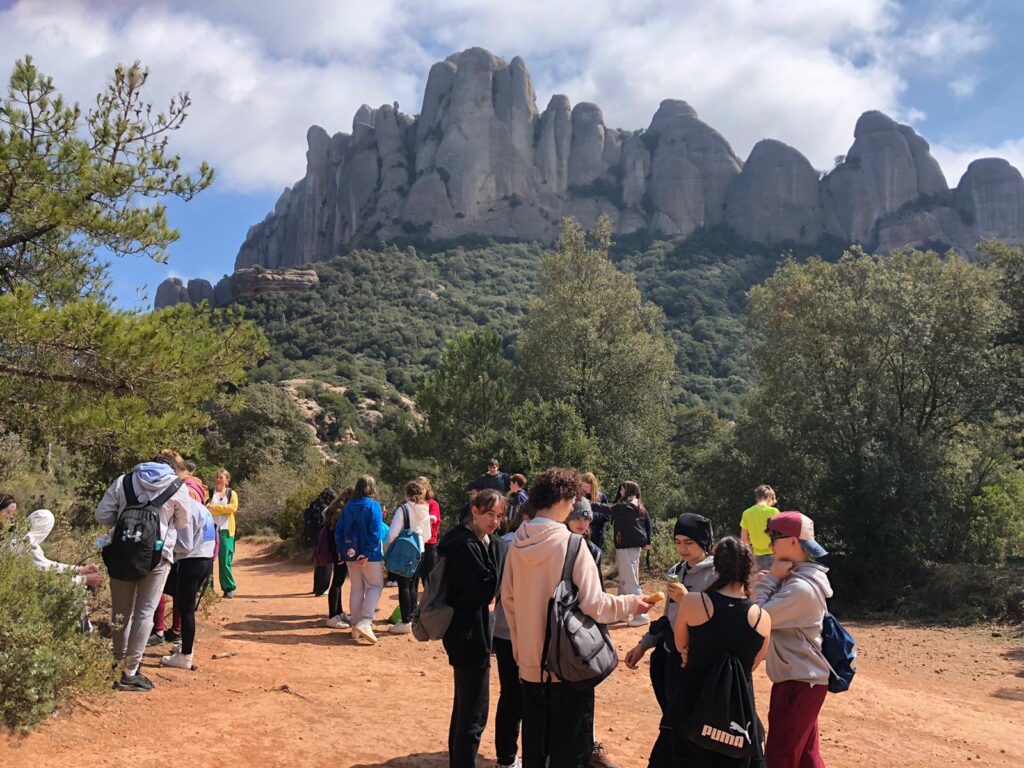
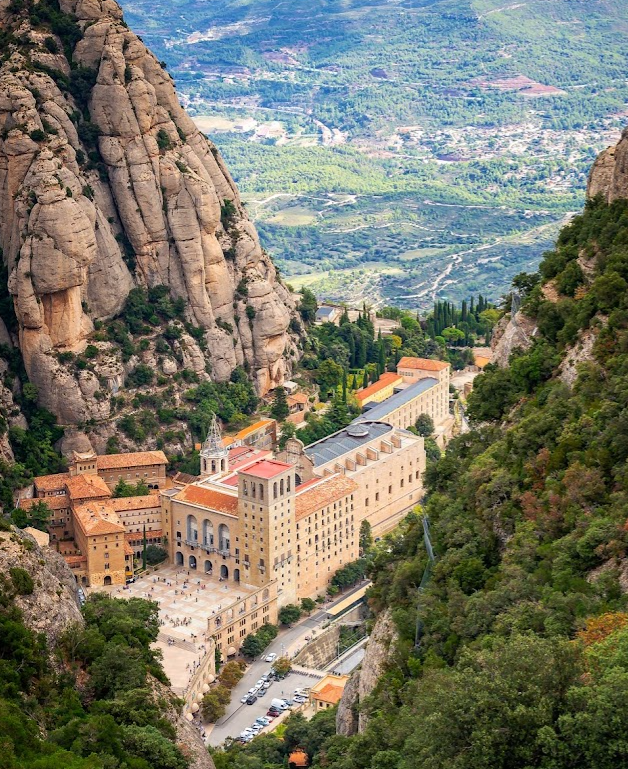
On the second day in Spain, we visited Montserrat Mountains, which is the place where the legend The Drummer of El Bruc takes place. The students and teachers could see the mountains from where the drummer played his drum and scared the French soldiers away.
The day was foggy and rainy, which was not the best weather to go hiking, but we decided to continue with our plans.
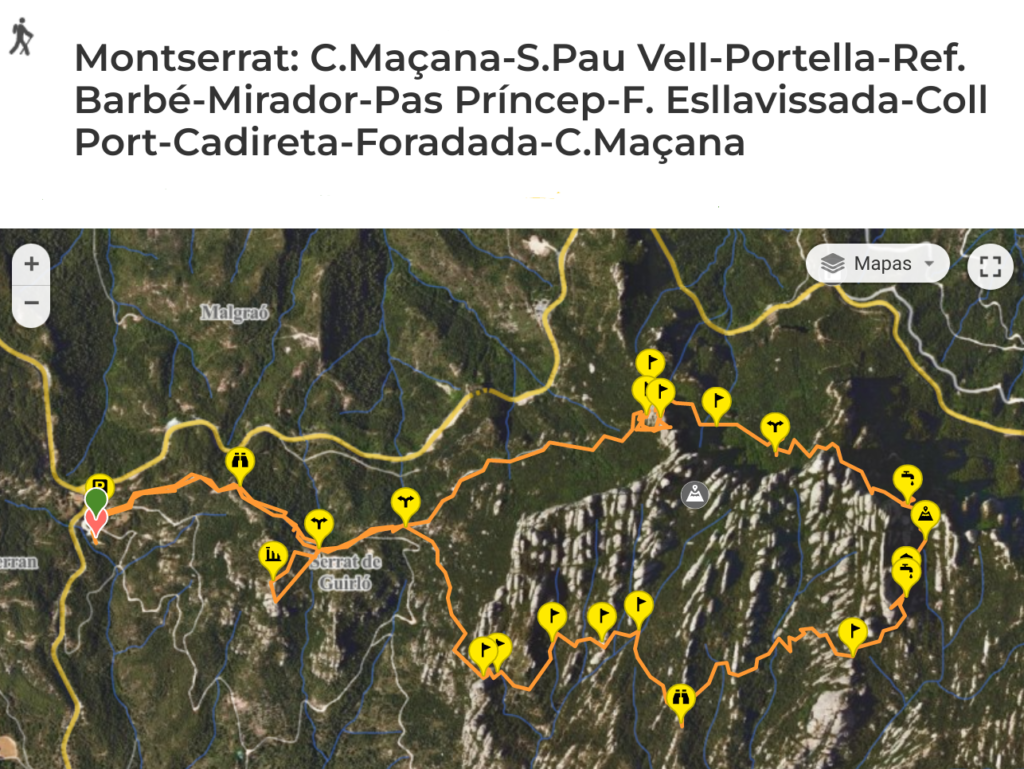
We started a circular hiking route in Can Maçana, which led us to La portella, Vicens Barbé shelter and back to Can Maçana.
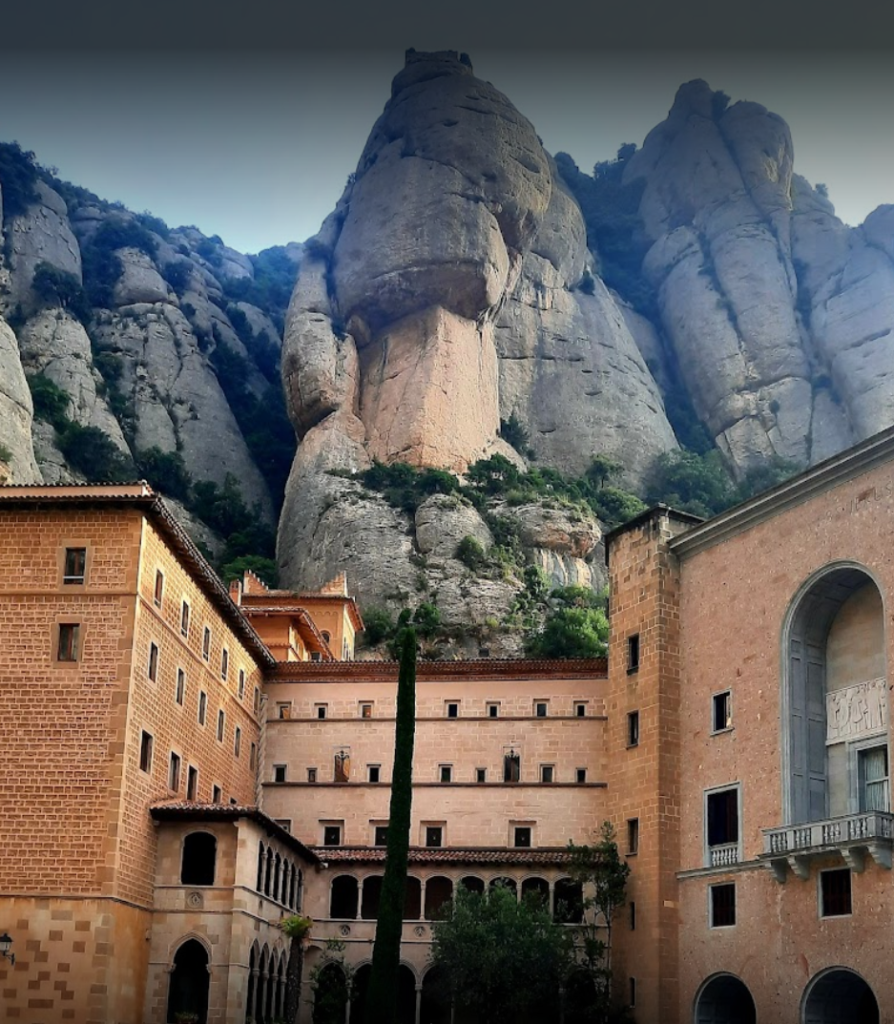
Then a bus drove us from Can Massana to Montserrat monastery. We had lunch there and we could visit the monastery.
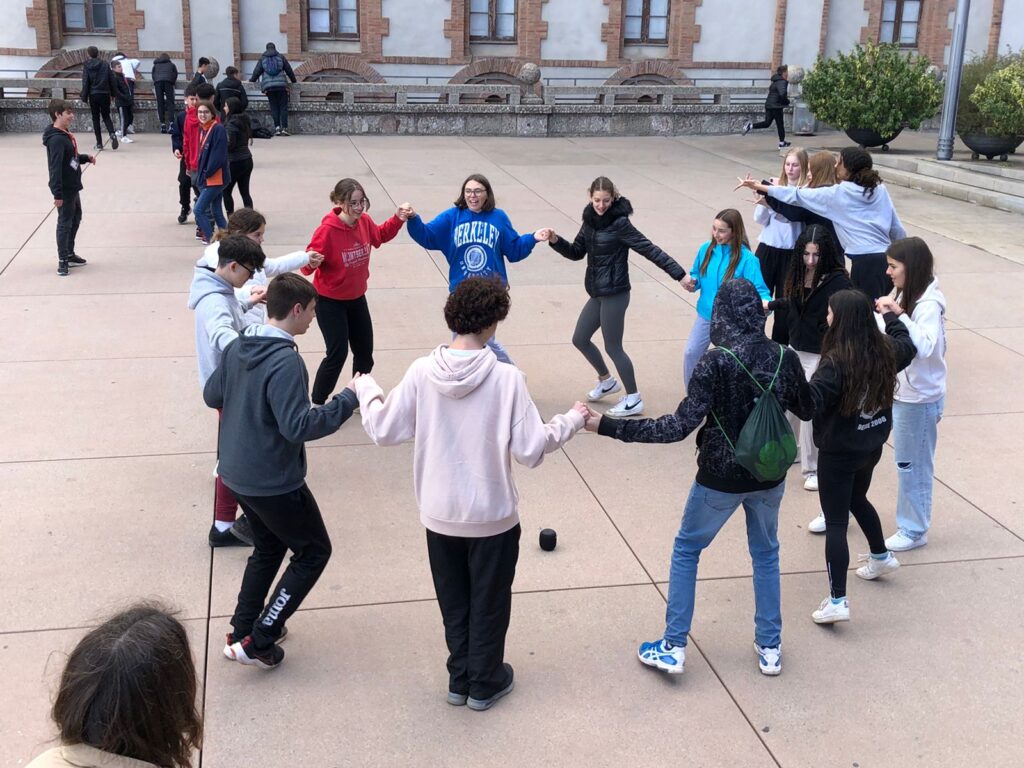
We also had time to show our Eramus partners a typical Catalan dance, called Sardana.
Visiting Barcelona
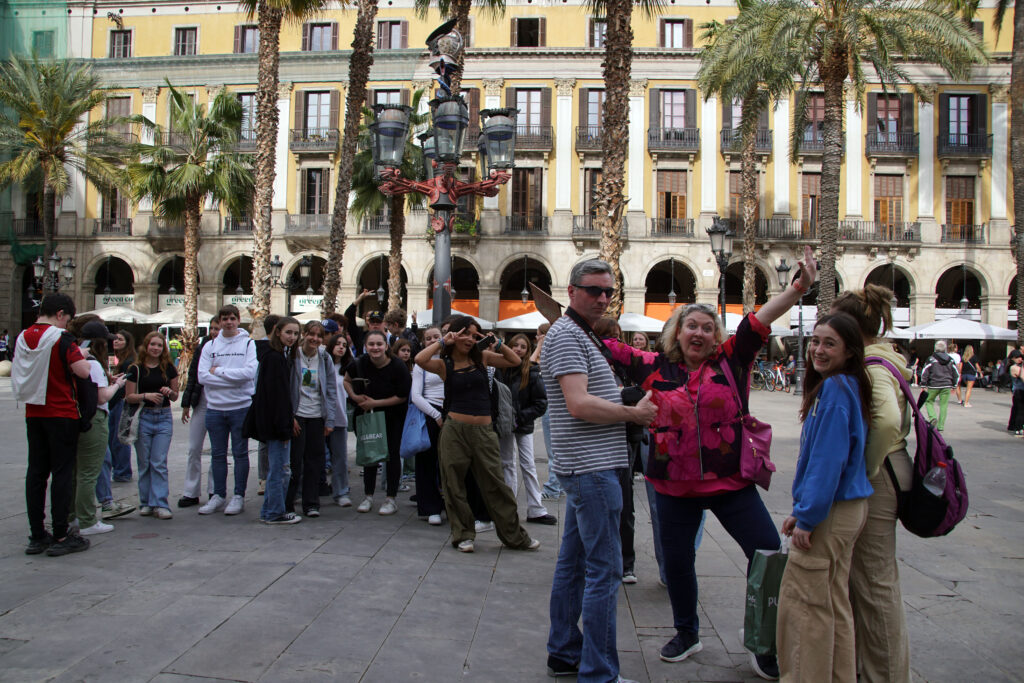
On the fourth day, we visited the town of Barcelona, reaching it by train. First of all, we took a walk from Arc de Triomf to Sagrada Familia in order to sightsee some parts of Eixample. When we arrived at Sagrada Familia, a Spanish teacher explained the architecture and symbolism hidden in the two already-built facades of Sagrada Familia.
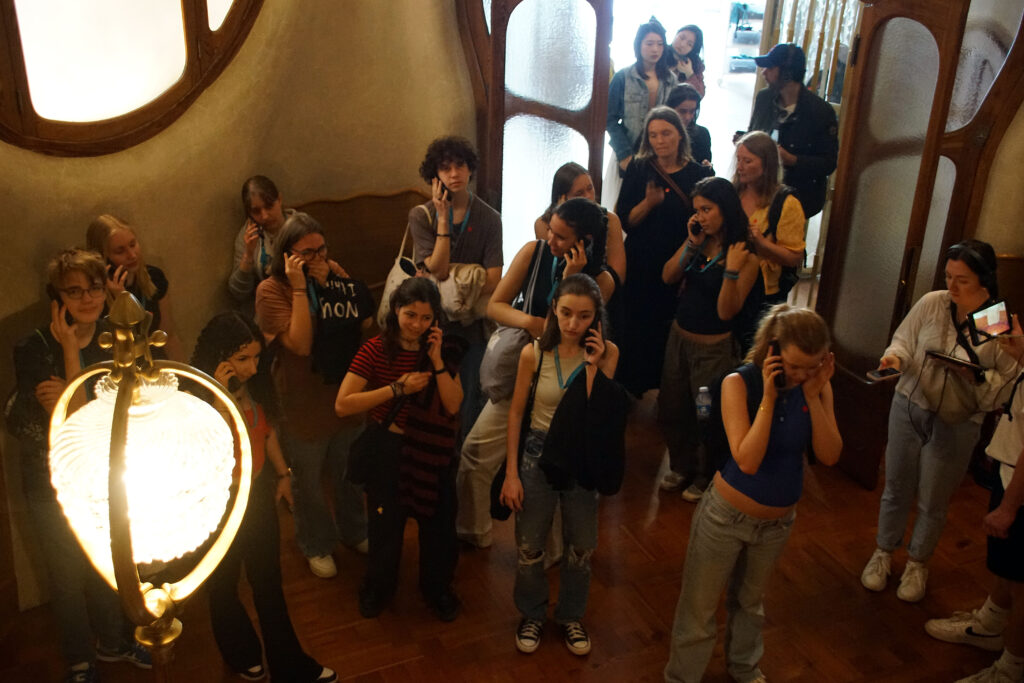
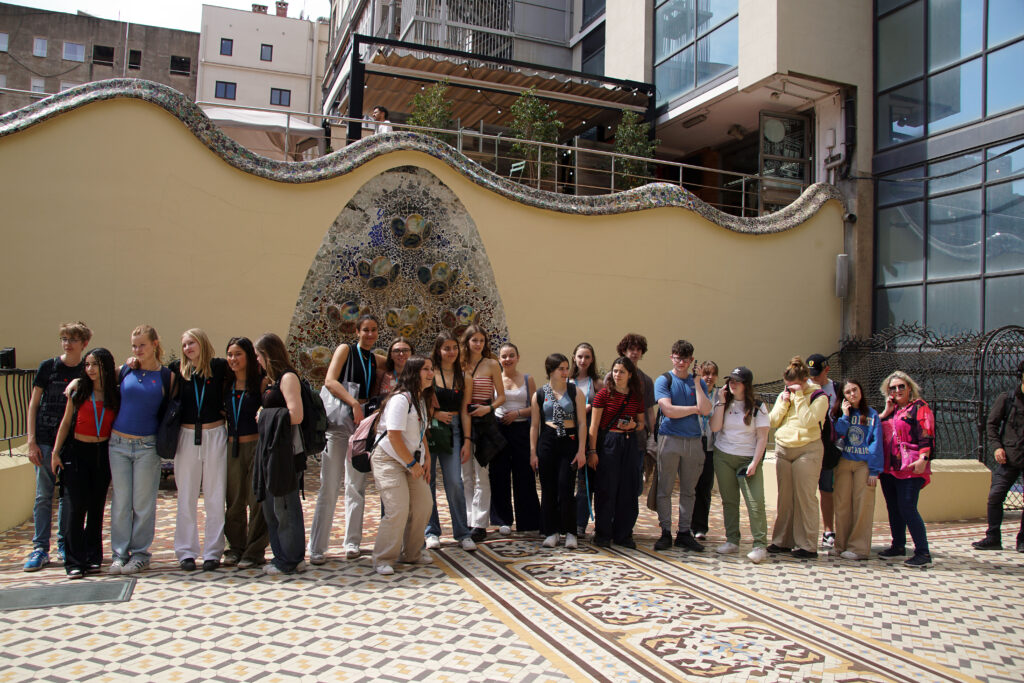
After having seen the Sagrada Familia, we walked through important streets such as Diagonal or Passeig de Gracia. In Passeig de Gracia, we received a short explanation about Casa Mila also known as La Pedrera from the Spanish art teacher while we took a look from the outside. Then we visited Casa Batlló where students and teachers could behold the Catalan Modernism while they listened to the audio guide.
Afterwards, we descended through Les Rambles until Maremagnum where we had lunch gazing at the sea.
In the afternoon, we started the second part of the tour in the Gothic Neighborhood where we could immerse ourselves in the Medieval stories and legends of the town. We finished our hike in the Cathedral of Barcelona and we spent some free time shopping.